Lycosidae Spiders
Gain Access lycosidae spiders deluxe online playback. 100% on us on our content platform. Submerge yourself in a immense catalog of hand-picked clips on offer in superior quality, the best choice for dedicated watching followers. With newly added videos, you’ll always keep current. Find lycosidae spiders specially selected streaming in amazing clarity for a totally unforgettable journey. Participate in our content collection today to check out content you won't find anywhere else with no charges involved, no sign-up needed. Get frequent new content and experience a plethora of groundbreaking original content intended for premium media savants. You won't want to miss distinctive content—swiftly save now! Enjoy the finest of lycosidae spiders specialized creator content with vivid imagery and chosen favorites.
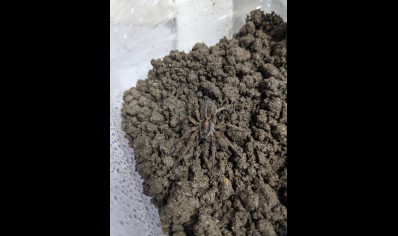
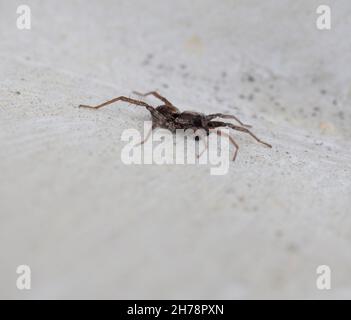
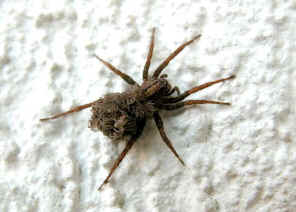
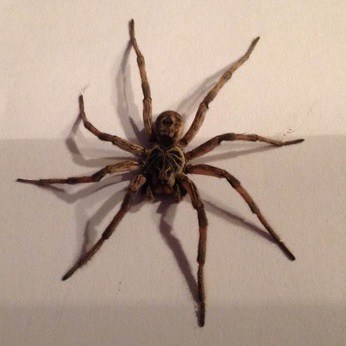
Wolf spiders are members of the family lycosidae (from ancient greek λύκος (lúkos) 'wolf'), named for their robust and agile hunting skills and excellent eyesight Others wait for passing prey in or near the mouth of a. They live mostly in solitude, hunt alone, and usually do not spin webs.
Lycosidae - Wolf Spider - USA Spiders
Found across diverse habitats worldwide, they play an essential role in controlling insect populations and maintaining ecological balance. They are robust and agile hunters with excellent eyesight The wolf spiders are a term given to the members of the lycosidae family comprising approximately 2300 species divided into over 100 genera
- Shocking Video 212 Lab Divide By X Leak This Changes Everything You Know
- Gypsys Mom Crime Scene
- Livvy Dunne Of Leak
Robust and agile, they are adept hunters known for their powerful eyesight.
Wolf spider, (family lycosidae), large family of more than 2,300 species and 135 genera of spiders named for their wolflike habit of chasing and pouncing upon prey The group is widespread, with about 240 species occurring in north america and about 50 in europe. Lycosids are solitary spiders and feed primarily on insects Some larger wolf spiders may also prey on small vertebrates
Rather than build webs to trap prey, wolf spiders hunt them down at night They move very fast and are known to climb or swim while hunting, despite being ground dwellers. The spider family lycosidae, commonly known as wolf spiders, have been sighted 1074 times by contributing members Based on collected data, the geographic range for lycosidae includes 2 countries and 50 states in the united states.

Most wolf spiders live on the ground and hunt for prey at night
Their dark mottled colors help camouflage them among the leaves Except for those in the genus sosippus, wolf spiders do not spin webs Some dig burrows in the ground, others make holes under rocks, and many have no retreat at all. Nature’s ground hunters wolf spiders belong to the family lycosidae, a diverse group with over 2,300 species worldwide
These spiders are known for their robust bodies, excellent eyesight, and hunting prowess Unlike many other spiders that rely on webs to catch prey, wolf spiders actively chase and pounce on insects and small animals Their name stems from this. They live mostly in solitude, hunt alone, and usually do not spin webs
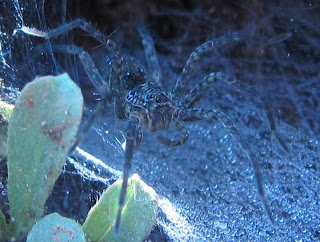
Some are opportunistic hunters, pouncing upon prey as they find it or chasing it over short distances
Others wait for passing prey in or near the mouth. The mating rituals of wolf spiders can vary depending on the species, as is true for most spider groups Adult males follow silk and chemical cues left by females Generally, males then use a combination of visual and seismic (vibratory) behaviors to court their potential mate.
Lycosoidea is a clade or superfamily of araneomorph spiders The traditional circumscription was based on a feature of the eyes The tapetum is a reflective layer at the back of the eye, thought to increase sensitivity in low light levels Research from the late 1990s onwards suggests that this feature has evolved more than once.
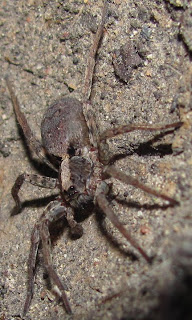
Wolf spiders the wolf spiders are a term given to the members of the lycosidae family comprising approximately 2300 species divided into over 100 genera
The wolf spiders (family lycosidae) are difficult to spot and even tougher to catch Most lycosids live on the ground, where they use keen eyesight and quick speed to capture prey Lycosa means 'wolf' in greek and wolf spiders are one of the largest spider families. The spiders of the family lycosidae, usually called wolf spiders, are an abundant component of the spider fauna in open habitats across the world (jocqué and alderweireldt, 2005)
The family, comprised of 124 genera and more than 2400 species that range from tiny to very large in body size, exhibits a worldwide distribution (world spider catalog, 2018) While the monophyly of the family is. Wolf spider wolf spider (family Lycosidae) wolf spiders or lycosids are fairly common predators that feed on large insects and other spiders
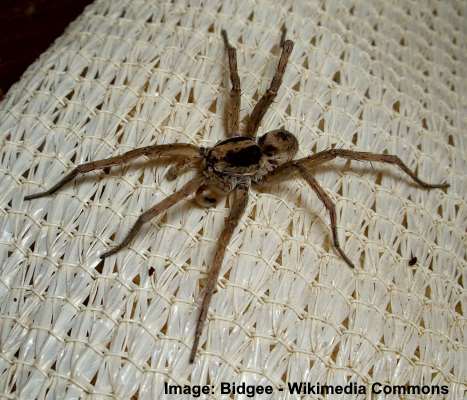
Their venom is not particularly dangerous.
The lycosidae, commonly called wolf spiders are a genus of hunter spiders found throughout the united states and the rest of the world. List of lycosidae species this page lists all described species of the spider family lycosidae as of december 29, 2013. The wolf spider is a family of carnivorous spiders that have adapted to most of the world’s major ecosystems Among their many distinctive and interesting characteristics, most wolf spiders lack the ability to spin elaborate webs to trap prey
Instead, they ruthlessly hunt down their prey like the famous animal for which they’re named 5 species wolf spiders are members of the family lycosidae (from ancient greek λύκος (lúkos) 'wolf')
![Home [www.insectsofiowa.com]](https://www.insectsofiowa.com/spiders/lycosidae/IMGP1483.JPG)